Emotional Intelligence in the Workplace: 4 skills that matter more than technical expertise
Feb 18, 2026
The technical skills that got you hired are no longer the skills that are keeping you valuable. AI can write code, analyse data and create presentations. It can't, however, read a room. It can't build trust. It can't navigate the messy, complicated work of getting people aligned.
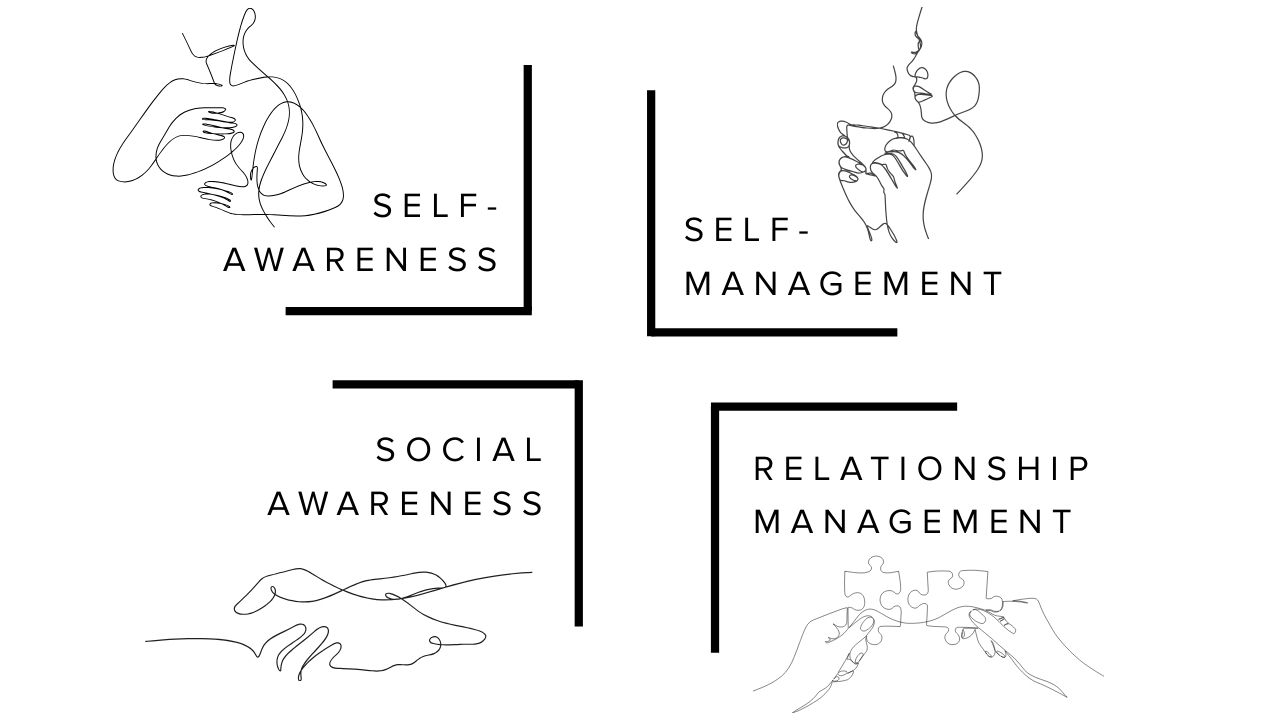
That's where your emotional intelligence makes a difference. Emotional intelligence is your ability to recognise and manage emotions in yourself and others. So what does that actually look like in practice? Daniel Goleman broke emotional intelligence into four skills you can develop.
ONE:
Self-Awareness: Notice your stress before it takes over
Self-awareness means paying attention to how you're actually feeling. When you're stressed or overwhelmed, can you tell? Most of us operate on autopilot until we hit a wall.
Try an Emotional Audit: Once a day, spend 10 minutes writing down what you're feeling.
Ask yourself: What am I feeling right now? Am I making deliberate choices, or just reacting? How am I handling stress? This simple practice helps you catch problems early instead of dealing with them when they've already blown up.
TWO:
Self-Management: Choose your response
Once you know what you're feeling, you can decide what to do about it. This is about staying adaptable and balanced, especially when things go wrong.
Use the 90 second rule. When something stressful happens, pause for 90 seconds. That's roughly how long the initial chemical reaction in your body lasts. Use that minute and a half to decide how you want to respond, rather than just reacting automatically.
THREE:
Social Awareness: Pay attention to others
AI can analyse data but it can't read a room. Social awareness is about understanding what's really going on with your team, the things people don't say out loud.
Kick up to Level 3 listening: Next time someone talks to you, stop planning what you'll say next. Just listen. Watch their body language. Notice their tone. Then ask one follow-up question before sharing your own thoughts.
FOUR:
Relationship Management: Do the complex work
AI handles simple, repetitive work. People handle complicated work. Debating ideas, solving messy problems, getting things done through relationships. This requires actually managing those relationships well.
Use the Ratio of Reassurance: Make time to thank people. Be specific about what they did and why it mattered. When you're rushing from one thing to the next, it's easy to forget that the relationships are what make projects actually work.
What this means for you
Your competitors have the same AI tools you do. The difference between teams that do well and teams that struggle is how well people work together. These four skills are what separate the two.
Want to learn more?
Our new Emotional Intelligence Workshops help your team master the human skills AI can't replicate. Learn more here.